
Article
Retail Media for CPG and DTC Brands: How to Scale Walmart Connect, Instacart Ads, and Target Roundel Without Sinking ROAS
Learn how CPG and DTC brands can test Walmart Connect, Instacart Ads, and Target Roundel, measure incrementality, and scale retail media profitably.
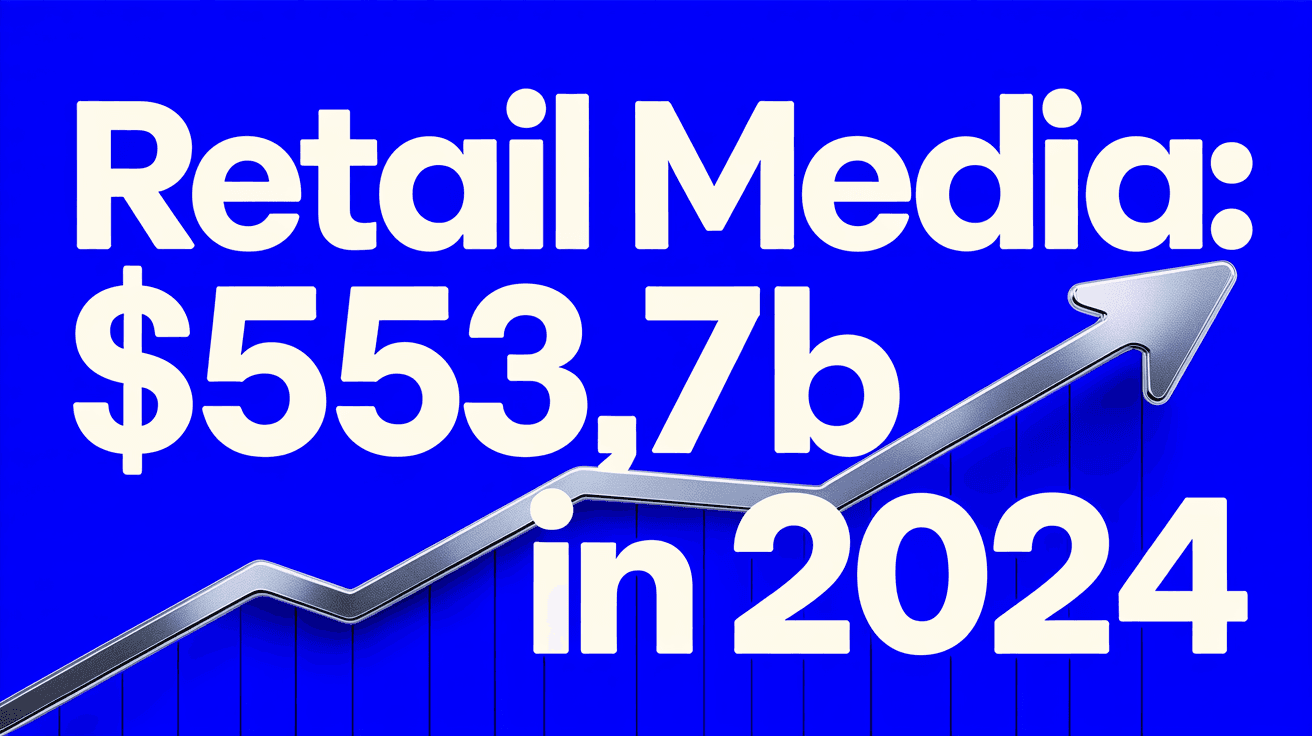
Retail media has moved from an experimental line item to a core growth channel for consumer brands. According to the IAB and PwC 2024 Internet Advertising Revenue Report, commerce media revenue increased 23% year over year to $53.7 billion in 2024. That growth reflects a fundamental shift: brands are willing to pay for access to shoppers close to the point of purchase, especially when third party cookies, rising paid social costs, and attribution gaps make other channels harder to manage.
The opportunity is significant, but retail media is not automatically profitable. A campaign can report attractive attributed sales while contributing little incremental revenue. CPG and DTC brands need a disciplined testing system that protects contribution margin, separates discovery from conversion, and scales only when the evidence supports it. Walmart Connect, Instacart Ads, and Target Roundel each offer valuable first party audiences, but they require different operating approaches.
Why retail media deserves a measured test
Retail media networks combine shopper intent, retailer transaction data, and media inventory. A sponsored product ad can appear when someone searches for protein powder, coffee, detergent, or skincare. Display, video, and offsite placements can influence a shopper earlier in the journey. The retailer then has a reasonable chance of connecting exposure to a purchase, online or in store.
That closed loop is powerful for CPG companies that do not own the customer relationship. It can also help DTC brands validate retail demand before expanding distribution. Yet reported ROAS often includes customers who would have purchased anyway. It may also use different attribution windows, audience definitions, and sales calculations from Google, Meta, Shopify, or a brand's finance team.
Start with a commercial question rather than a channel question. Do you need to increase velocity for a new SKU, defend branded search, win share from a competitor, clear seasonal inventory, or prove that retail distribution deserves more investment? The answer determines the right audience, creative, bid strategy, and success metric.
Build the measurement foundation before spending
Before launching, calculate the maximum efficient cost of advertising. A simple version is:
Break even ROAS = 1 divided by contribution margin percentage
If a product generates a 40% contribution margin after product cost, fulfillment, retailer fees, promotions, and other variable costs, break even ROAS is 2.5. That is not necessarily your target. You may need a higher return to fund overhead, or accept a lower first order return if repeat purchase is strong. The important point is to define the economics before a platform dashboard defines success for you.
Create three measurement layers. The first is platform performance, including impressions, click through rate, cost per click, attributed orders, and attributed ROAS. The second is business performance, including net sales, contribution profit, new customer rate, repeat purchase, average order value, and inventory availability. The third is incrementality, measured through holdouts, geo tests, pre and post comparisons, or retailer sales lift studies when available.
Keep a consistent scorecard across networks, but do not force identical attribution rules. Record the retailer, campaign objective, SKU, audience, placement, spend, attributed sales, margin, and attribution window. Also record organic sales and total category sales where possible. A campaign that increases total sales while reducing branded ad efficiency may be healthier than a campaign that simply captures existing demand.
Walmart Connect: start with intent and retail readiness
Walmart Connect is often the most logical starting point for brands with established Walmart distribution and meaningful search demand. Its ecosystem includes sponsored search, onsite display, offsite media, connected television, and other formats. Walmart Connect also emphasizes its first party shopper data and the ability to connect media exposure with Walmart sales.
Begin with sponsored products for a small group of priority SKUs. Choose products with adequate inventory, competitive pricing, strong ratings, clear content, and enough margin to support testing. Advertising a poorly reviewed or frequently unavailable product creates a media problem that bidding cannot solve.
Separate branded, category, and competitor intent. Branded campaigns help defend demand and often produce efficient ROAS, but they should not be mistaken for incremental growth. Category campaigns are more useful for discovery and may require a lower initial efficiency target. Competitor targeting can expand reach, but it deserves strict bid and placement controls because click quality may vary.
Use a controlled launch period rather than changing every variable daily. Review search terms, placement performance, conversion rate, retail readiness, and inventory at least weekly. Add negative targets where the query is irrelevant or commercially weak. Increase budgets gradually on campaigns that meet both efficiency and volume thresholds. Walmart Connect highlights case studies such as NuTrail's search campaign results, but a case study is a directional example, not a guaranteed benchmark for your catalog.
The scaling rule is simple: fund proven demand first, then expand into upper funnel placements only when measurement and creative are ready. Do not move an entire budget into display or video because sponsored search reached a daily cap. Expansion should answer a new customer acquisition or incrementality question.
Instacart Ads: match the campaign to the shopping mission
Instacart is especially relevant for grocery, household, wellness, and other products purchased during a planned shopping trip. Its value comes from the context around the basket. A shopper searching for breakfast items, meal ingredients, or vitamins may be open to a relevant substitute or complementary product.
The first test should usually focus on high intent placements and a narrow product set. Group products by shopping mission, not just by internal category. For example, a hydration product might belong in sports nutrition, travel, and summer wellness tests. Product images, pack sizes, pricing, promotions, and availability must be easy to understand because shoppers are comparing options quickly.
Avoid optimizing solely to last click. Instacart can introduce a product before the shopper adds an item to a basket, so assisted sales and new to brand behavior matter. If the platform provides reporting for incremental sales, new customers, or audience exposure, include those outputs in the evaluation. The IAB's 2024 commerce media analysis provides useful market context, but each brand still needs its own margin and repeat purchase model.
Promotions deserve special care. A discount may increase conversion while reducing contribution profit, or it may create a valuable trial that leads to repeat orders. Compare promoted and non promoted periods using net revenue and profit, not gross attributed sales alone. Also monitor substitution, out of stocks, and retailer availability. A strong ad cannot convert a shopper if the selected store cannot fulfill the product.

Target Roundel: combine retail context with broader reach
Roundel, Target's retail media business, offers access to Target owned properties and off platform media. The Target corporate fact sheet on Roundel describes capabilities spanning digital placements, in store media, and digital out of home. Roundel also explains how its off platform solutions can connect media exposure with Target purchases and other channels.
That makes Roundel attractive for brands that need more than bottom funnel search. A CPG brand launching a new flavor, personal care product, or seasonal collection may need to create awareness before shoppers search for it. The challenge is that broader formats can produce less immediate return and may be evaluated on different windows than sponsored product campaigns.
Use Roundel when the audience and retail environment are strategically important, not simply because the network offers premium inventory. Define whether the campaign is designed to drive product detail page visits, store consideration, trial, category penetration, or total Target sales. Build creative around the shopping moment and make the product benefit obvious in the first seconds of a video or the first visual beat of a display unit.
Where possible, use a test and control design or geographic split. Compare exposed and unexposed markets on total sales, not only ad attributed sales. If you cannot run a formal holdout, use a documented baseline and avoid declaring success based on a short period with unusual promotions or seasonality.
A practical test and scale framework
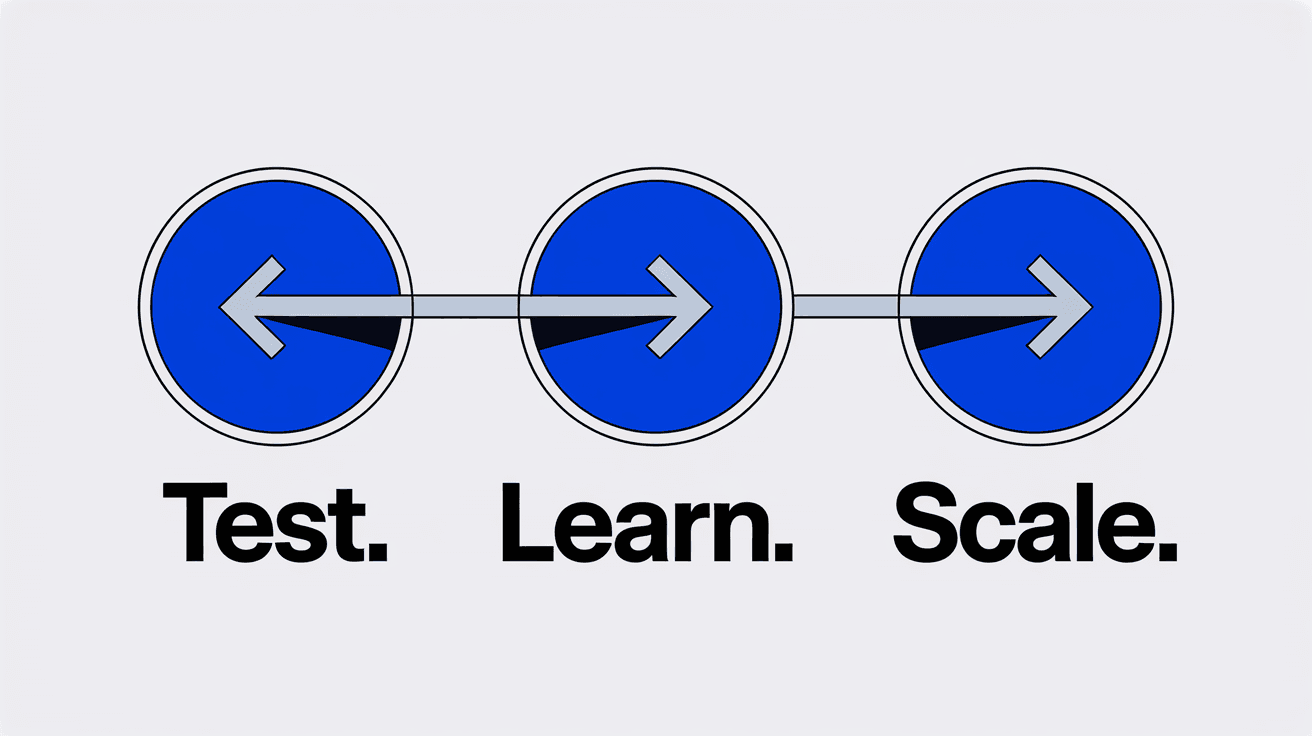
A reliable retail media program moves through three stages.
Test one commercial hypothesis. Choose one objective, one retailer, a limited SKU group, and a defined budget. Keep the time period long enough to collect meaningful conversion data, while setting an early stop rule for obvious waste such as irrelevant traffic, broken listings, or severe overspending.
Learn at the query, placement, and product level. Identify which products convert, which audiences produce profitable orders, and where assisted demand appears. Review search terms and creative engagement, but connect those signals to inventory and margin. A high click through rate is useful only when it leads to valuable shopper behavior.
Scale in controlled increments. Increase spend by roughly 10% to 25% at a time, then allow enough time for delivery and conversion data to stabilize. Expand one variable at a time, such as new SKUs, broader targeting, a new placement, or a larger geography. If efficiency drops, diagnose saturation, auction pressure, creative fatigue, price changes, or stock issues before simply lowering the target ROAS.
How to protect ROAS while growing
The biggest protection is budget architecture. Keep a separate defense budget for branded and high intent demand, a growth budget for category discovery, and an experimentation budget for new audiences or formats. This prevents an upper funnel test from making the entire account look inefficient, while also preventing branded campaigns from absorbing every available dollar.
Refresh creative when the message, offer, or shopping context changes, not merely when a dashboard shows a lower click through rate. Retail creative needs strong product visibility, a concise benefit, clear pack information, and a credible reason to choose the product now. Test retailer specific assets rather than copying a social ad without adaptation.
Tie media planning to operations. Retail media spend should rise when inventory, distribution, reviews, pricing, and fulfillment can support the demand. Pause or reduce campaigns when a priority SKU is unavailable in important stores. Coordinate promotions with retailer calendars and make sure landing pages, product detail pages, and tracking parameters are ready before launch.
Finally, make reporting consultative. A partner such as Octaze can connect paid advertising, creative strategy, SEO, content, and conversion optimization instead of treating retail media as an isolated buying task. That integrated view matters because retail sales can be influenced by search visibility, influencer demand, product education, landing page quality, and brand positioning.
The goal is not to find the network with the highest dashboard ROAS. It is to build a repeatable system that turns profitable retail demand into more profitable demand. Test with a clear hypothesis, measure beyond attributed sales, and scale only when the product, economics, and evidence are aligned. For CPG and DTC brands, that is how Walmart Connect, Instacart Ads, and Target Roundel become growth engines rather than expensive experiments.
